Getting a Torrance Home Ready for Interior Painters
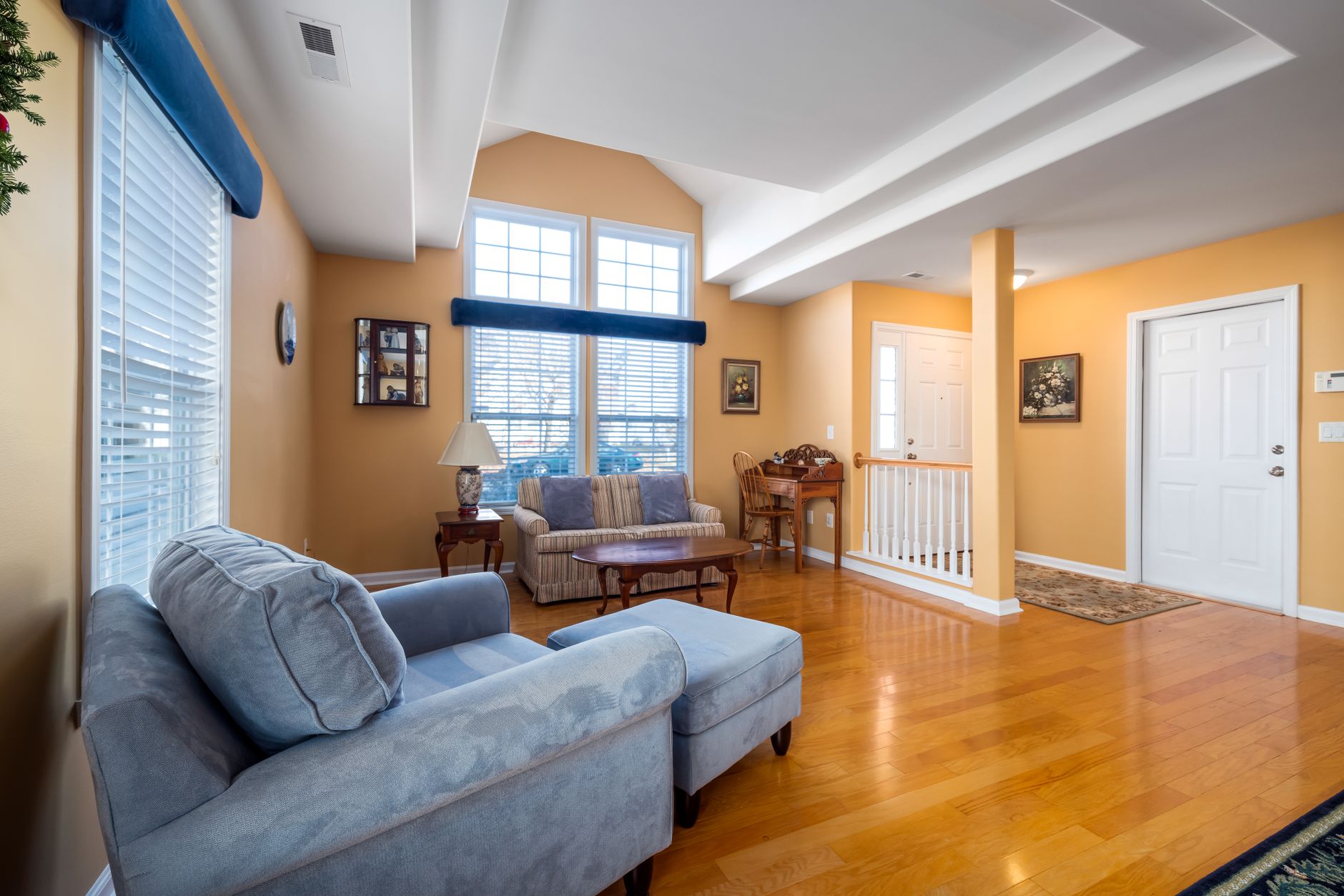
A house that is ready for painters gets finished faster, with cleaner lines and fewer surprises. Most of the preparation is simple and takes a weekend. The questions below come up on nearly every interior repaint in Torrance, from older homes near Madrona Marsh to newer townhouses closer to the Del Amo Fashion Center.
How much furniture has to move?
Everything within about three feet of a wall should come off it, and small items should leave the room entirely. Heavy pieces such as a sofa, a dresser or a bookcase get pushed to the center and covered with plastic or a canvas drop cloth. That gives a painter room to work along the baseboard and to set up a ladder without tipping something over.
Wall hangings come down too. Pictures, mirrors, shelves, curtain rods and the small hardware that holds them are all removed. Leaving nails in the wall is fine, since the painter will fill each hole, but anchors and screws should be pulled so the hole can be patched flush. A bag of the small hardware, labeled by room, saves a lot of guessing when everything goes back up.
What about fragile or valuable items?
Anything breakable, irreplaceable or sentimental belongs in another room or another part of the house. Paint spatters, dust from sanding settles on everything and a moved box can be knocked over by a stray elbow. Electronics, rugs, glass shelves and artwork are better stored than covered. A garage or a closed spare bedroom works well as a holding area for the length of the job.
Should the walls be cleaned beforehand?
A light dusting along ceilings, window frames and baseboards helps, but a full washing is part of professional preparation and is usually handled by the crew. In kitchens, the lower walls and the area around the range carry a film of cooking oil that needs a degreaser, and a bathroom may have soap residue or mildew near the tub. Painters carry the right cleaners and rinse them off properly, which matters because leftover cleaner prevents new paint from bonding.
What a homeowner can do is point out problem spots: stains that have come back, bubbles in the drywall, cracks that reopen every year and any place where a leak happened in the past. Telling the crew about old water damage lets them look at the cause before covering it up.
Do small holes and cracks need to be fixed first?
No. Filling and sanding are standard parts of the work, and they go better when the painter controls the whole sequence. Nail holes get a dab of spackle, hairline cracks along drywall seams are opened and filled, and dents are skimmed with joint compound and sanded smooth. Each repair is then spot primed so it does not show through the finish coat as a dull patch.
Larger problems are the exception. A wall with soft, crumbling drywall, a ceiling that is sagging or a stain that is still wet should be looked at by someone who can repair the structure. Paint sealed over a live leak will fail within months.
What should happen with pets and children?
Wet paint, open paint cans and ladders are poor company for animals and small children. Pets should be kept in a closed part of the house or elsewhere for the duration, and doors should be labeled so nobody walks into a freshly coated room. A cat that brushes a wet wall carries paint onto furniture and carpet very quickly.
Children are curious about ladders, brushes and the smell. Keeping them out of the working area is safer for them and for the paint. Many families arrange for the children and pets to stay with relatives on the days when the crew is rolling the walls.
How bad is the smell, and is it safe to stay in the house?
Modern water based acrylic latex paint has far less odor than the oil based products of the past, and low odor formulas have very little at all. Most people can stay in the house while it is used, as long as windows are open and a fan moves air. Oil based primers, stain blockers and enamels have a strong smell and need real ventilation, and they are the reason some bedrooms are left empty for a night.
Breezy weather helps. On a typical day in the South Bay the afternoon sea breeze moves air through open windows and the smell fades quickly. On a damp, still morning under the marine layer, paint smells linger longer and dries more slowly, so windows stay open longer.
Which rooms should be painted first?
Painters usually choose the order, working from ceilings down to walls and finishing with trim and doors, one room at a time. A house that stays occupied during the job can request that the bedrooms be done first so the family can sleep in a finished room, or that the kitchen be painted over a couple of days so meals are not disrupted for a week. Saying so up front allows the crew to plan around it.
Is it normal for the first coat to look uneven?
Yes. The first coat is mostly about sealing the surface and covering the old color, and it commonly looks patchy, with streaks or dull spots where the patches were filled. The second coat is what produces the even color and the final sheen. Judging a wall after only one coat leads to unnecessary worry. Judge it when the second coat is dry and the light is falling across it from a normal angle.
How long before the walls can be touched?
Paint feels dry to the touch within an hour or so, and can usually take a second coat after several hours, but it takes much longer to harden. Full cure for latex paint is generally measured in weeks, not days. During that time the film is softer than it will eventually be, and tape, posters and furniture pushed against it can peel or print a mark.
- Wait a few days before pushing furniture tight against a freshly painted wall.
- Hold off on hanging heavy frames until the paint has had time to harden.
- Clean marks gently with a damp soft cloth in the first couple of weeks, not a scrubbing sponge.
- Keep adhesive hooks and tape off new paint until it has cured.
What about the floors and the fixtures?
Floors are protected with drop cloths, and carpets are covered completely rather than just taped along the edge. Light switch plates and outlet covers come off before painting and are put back afterward. Ceiling light fixtures can be masked or lowered, and ceiling fans are wrapped. Door hardware is removed on cabinet doors and interior doors, because a handle painted over looks sloppy and wears off quickly.
Hardwood floors in older Torrance homes deserve extra attention. A drip of paint that dries on bare wood can be difficult to remove, so heavy canvas works better than thin plastic, which slips and tears.
Can the home stay in use during the job?
Usually, yes, with some planning. Painters work through a house room by room, so most of the home stays livable. The rooms being painted are off limits, and the area around them will have furniture stacked in odd places. Bathrooms and kitchens are the hardest to give up, so a crew can often finish those first and return them to use quickly.
A few simple preparations help daily life continue. Keep a clear path from the front door to the rooms in use, set aside a table for the things that were taken off the walls, and decide in advance where pets and children will spend their days.
What should be checked on the final walk through?
When the crew finishes, a walk through with a bright flashlight held flat against the wall shows any missed spots, roller marks or thin coverage. Check the lines where walls meet ceilings and trim, look behind doors and above windows, and make sure every outlet cover is back. Any touch up is easier to complete before the crew packs up than after.
A short checklist
Clear the walls and move furniture to the center, store anything fragile, decide where pets will stay, and open the windows on painting days. The rest is the painter's job.